Roztocze by Bike: Zwierzyniec, Szczebrzeszyn, Zamość
Gravel roads through Roztocze National Park, a historic brewery in Zwierzyniec, and vineyards I didn't expect to find near Zamość.
Zwierzyniec, Szczebrzeszyn, Zamość — and Roztocze National Park, which I rode around in full.
Wild Horses and Roztocze National Park
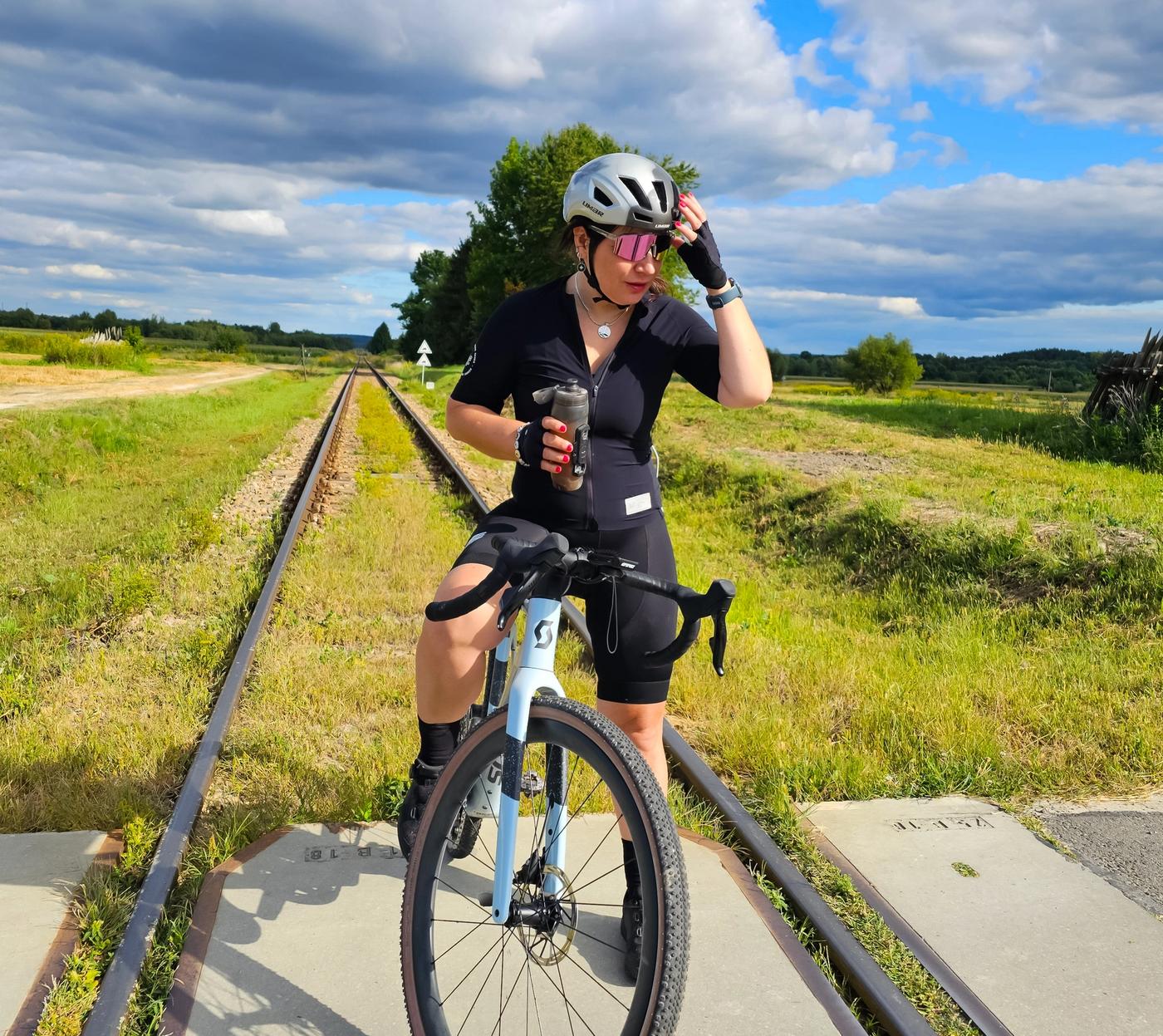
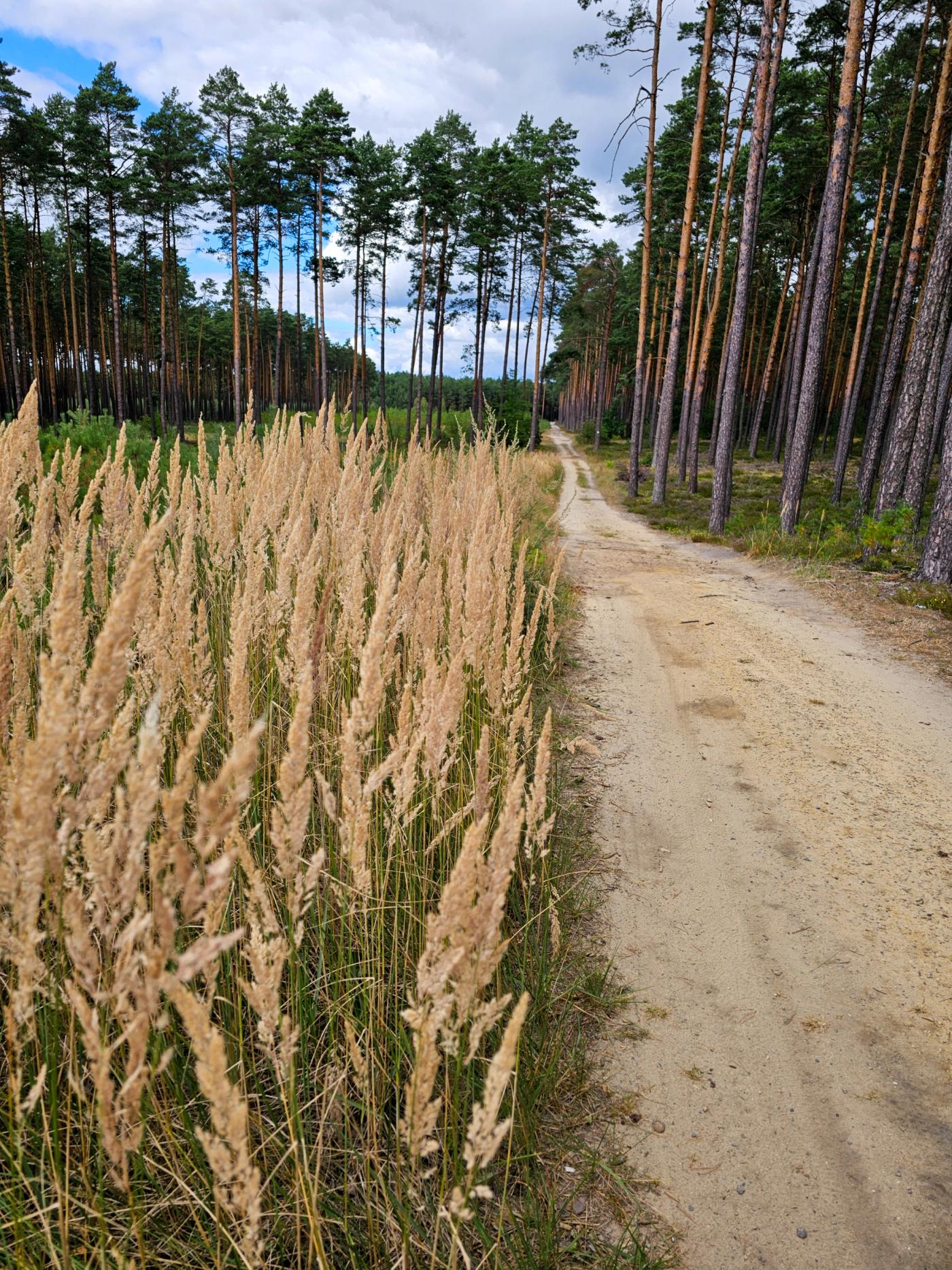
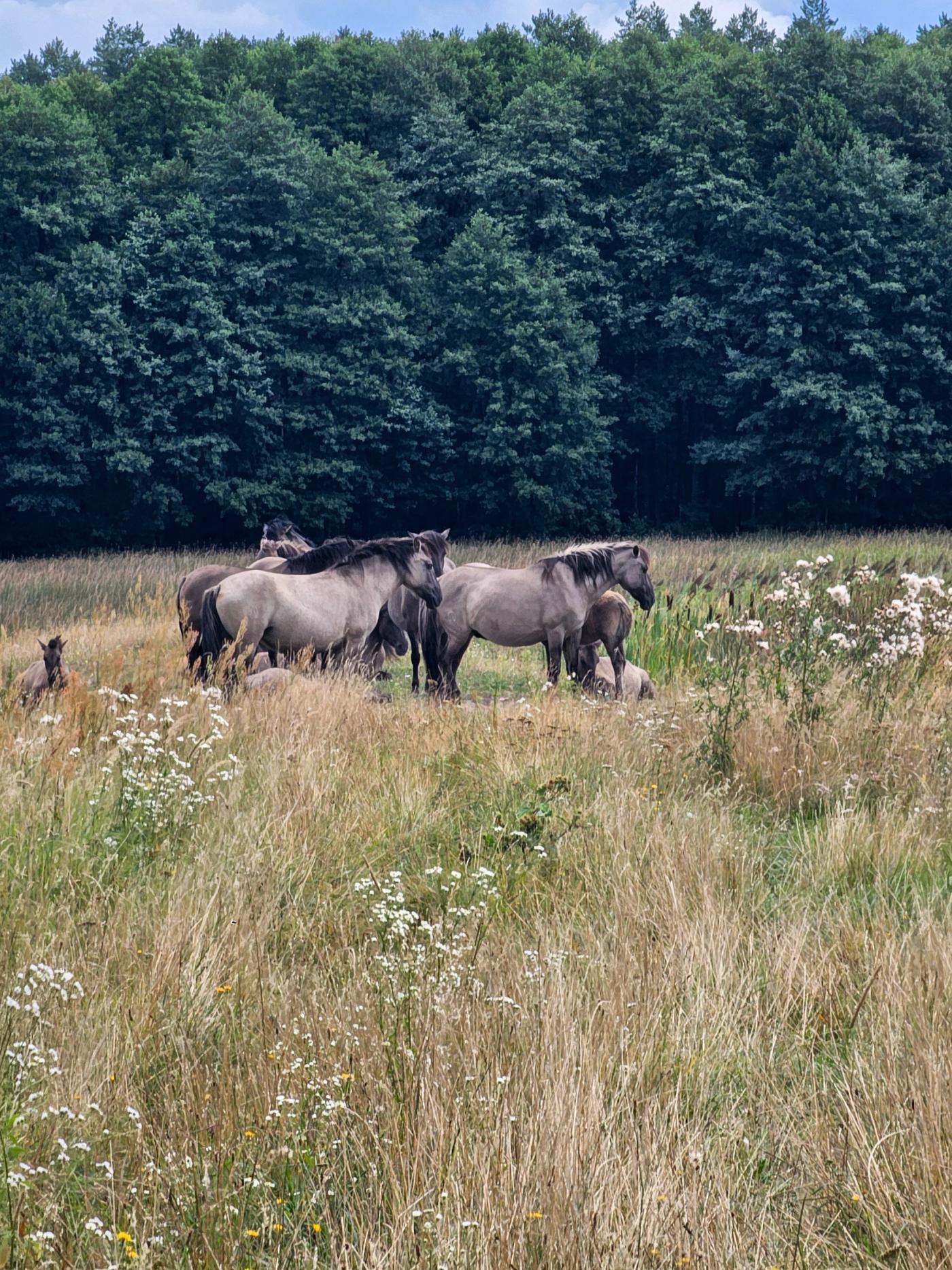
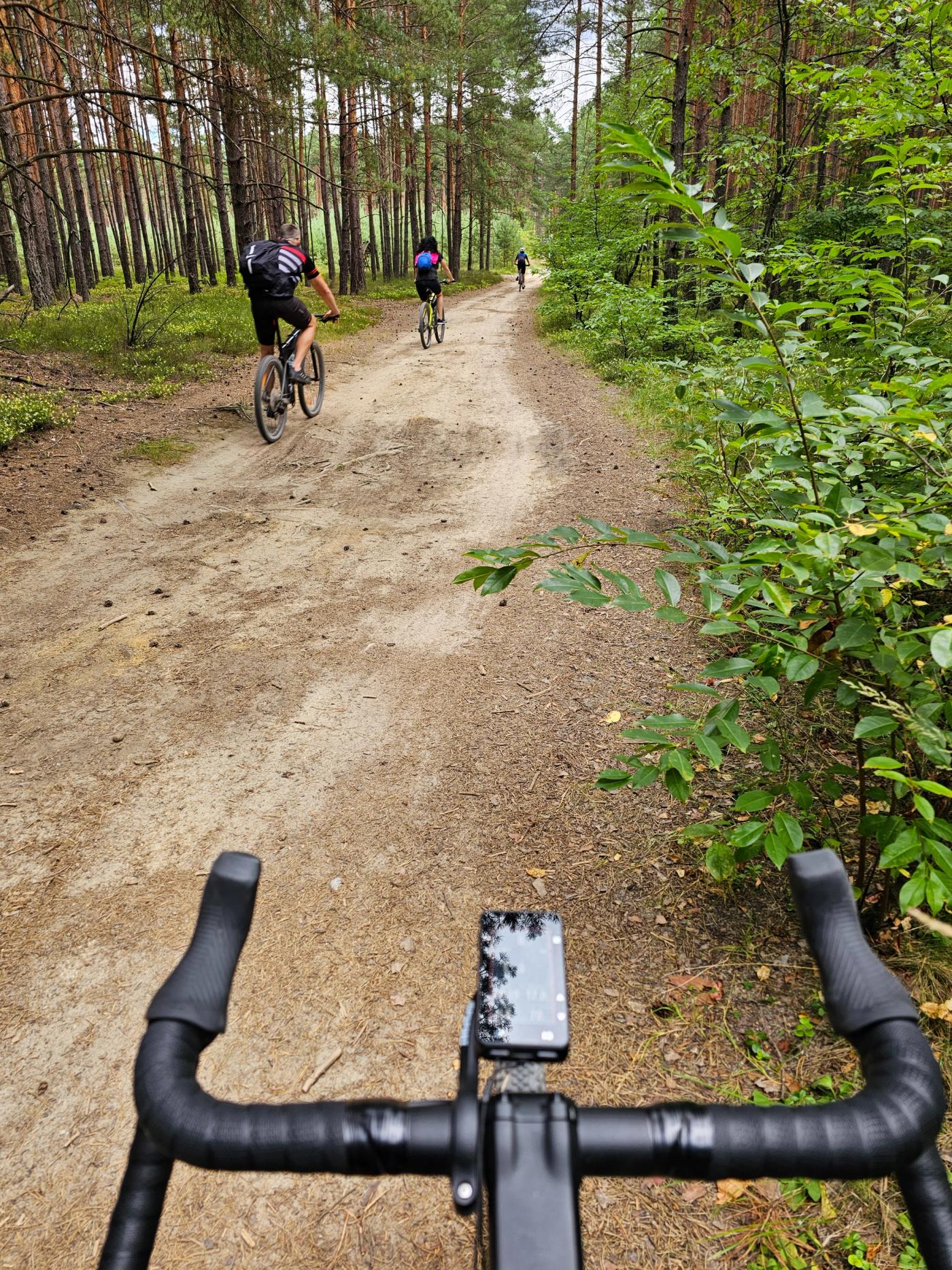
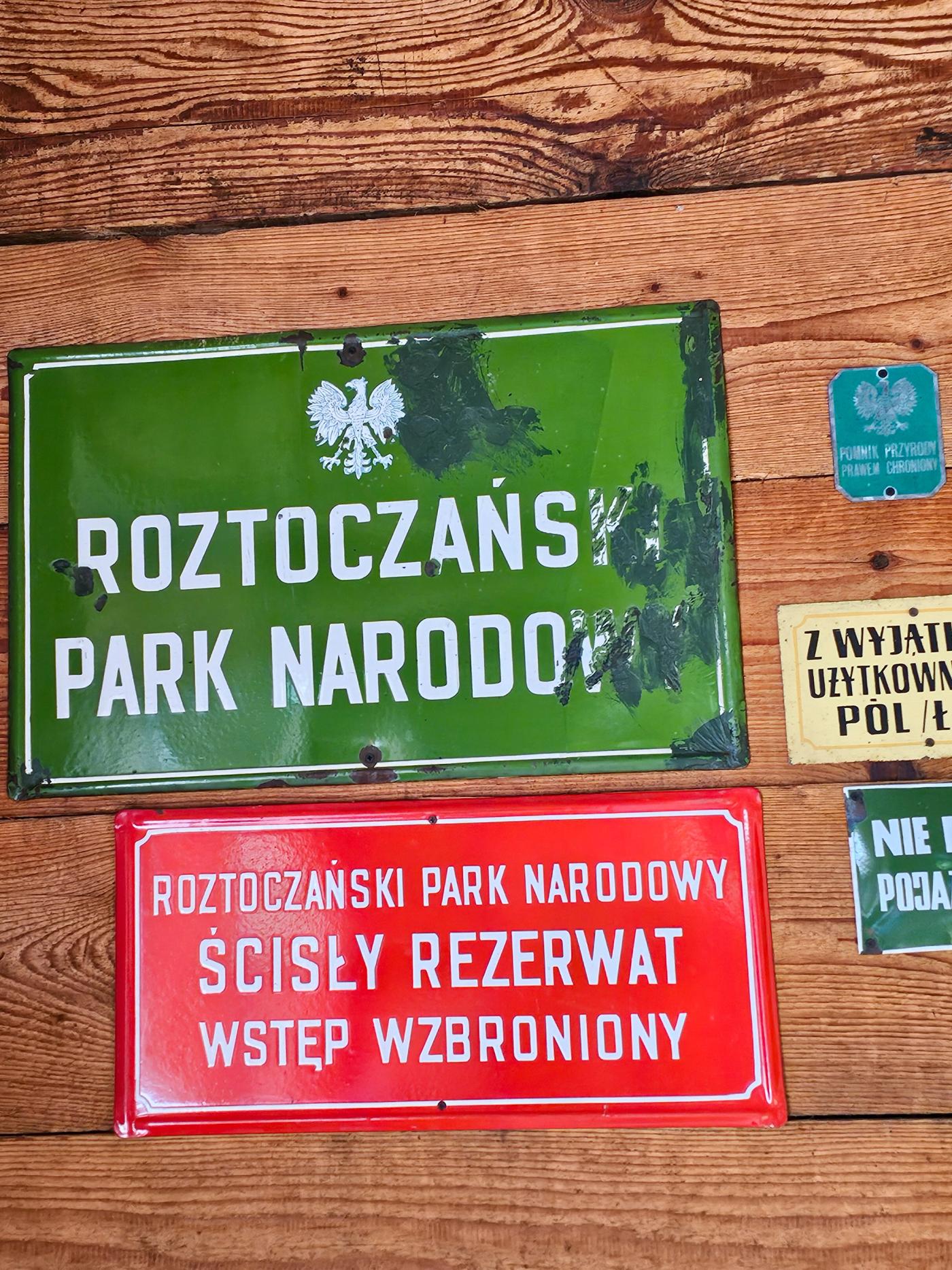
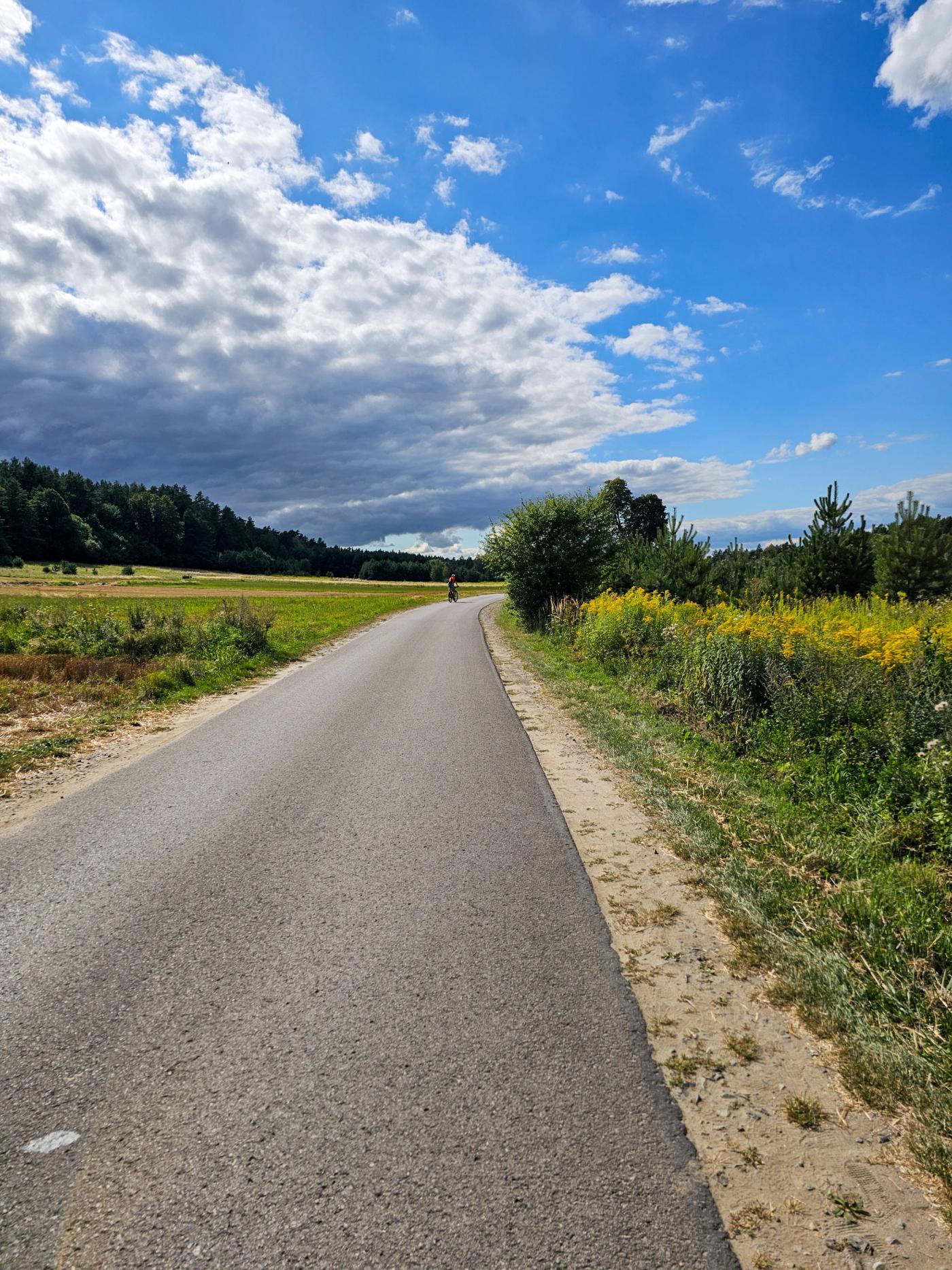
This is the most heavily forested national park in Poland — forest covers more than 95% of it. I rode the whole loop, mostly on gravel — well-maintained, genuinely pleasant to ride, with proper rest stops for cyclists along the way, which isn't standard in Polish national parks. The park's symbol is the Polish primitive horse (konik polski), a descendant of the extinct tarpan, living here in herds across a dedicated 180-hectare reserve with no human interference. The easiest place to spot them is around the Echo Ponds — and I did, though only from a distance, since the area is fenced off.
Zwierzyniec
Zwierzyniec is the gateway to the park and the base for most of the region's trails. It's home to the "church on the water" — a Baroque church of St. John of Nepomuk from the mid-18th century, built on a small island in the middle of a pond. And yes, there's a brewery too — the historic Zwierzyniec Brewery, founded in 1806 by Stanisław Kostka Zamoyski, now part of the Perła Brewery group. I wasn't going to ride past without stopping — beer brewed somewhere with over two hundred years of history tastes different from the supermarket version.
Szczebrzeszyn
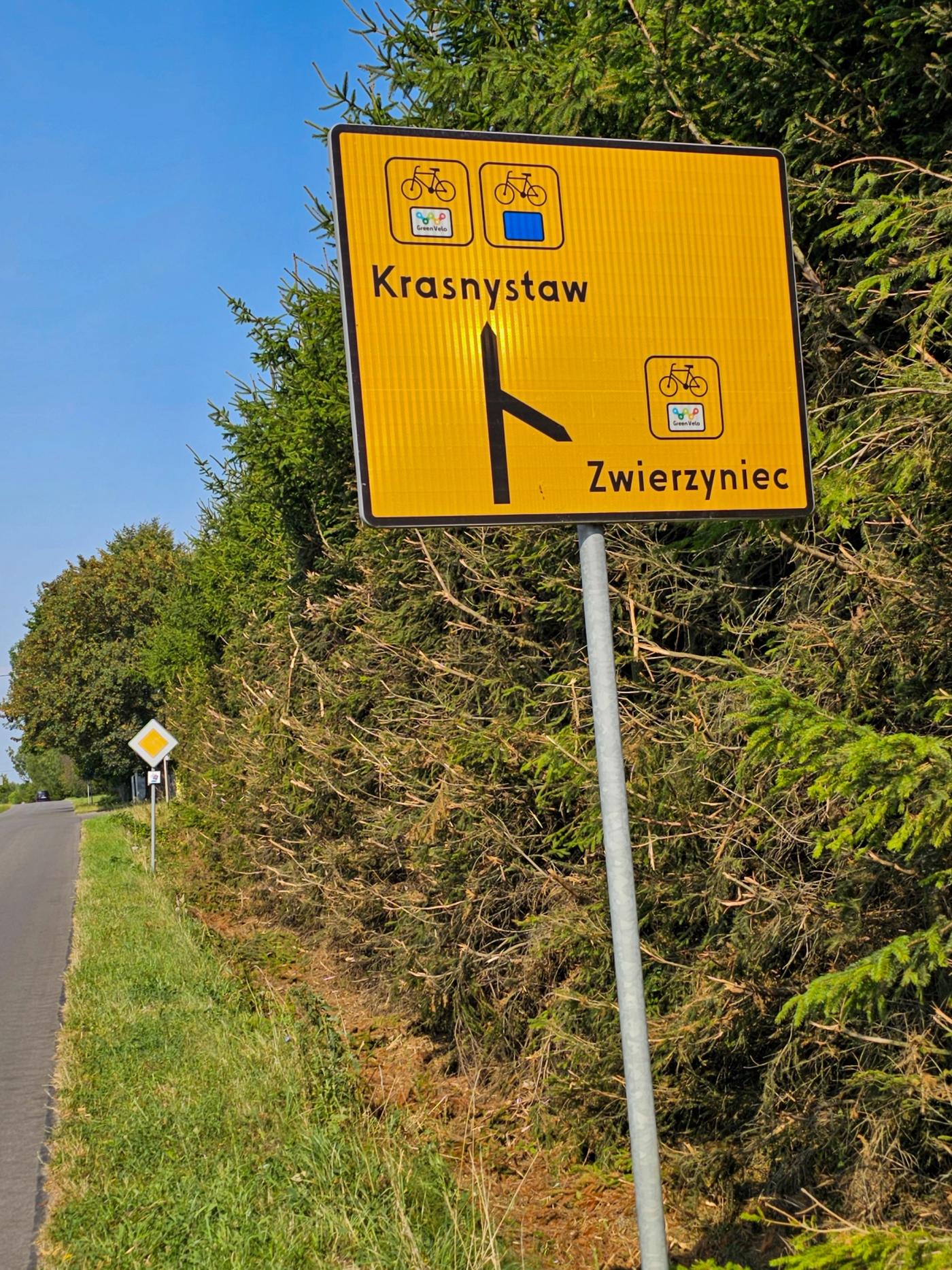
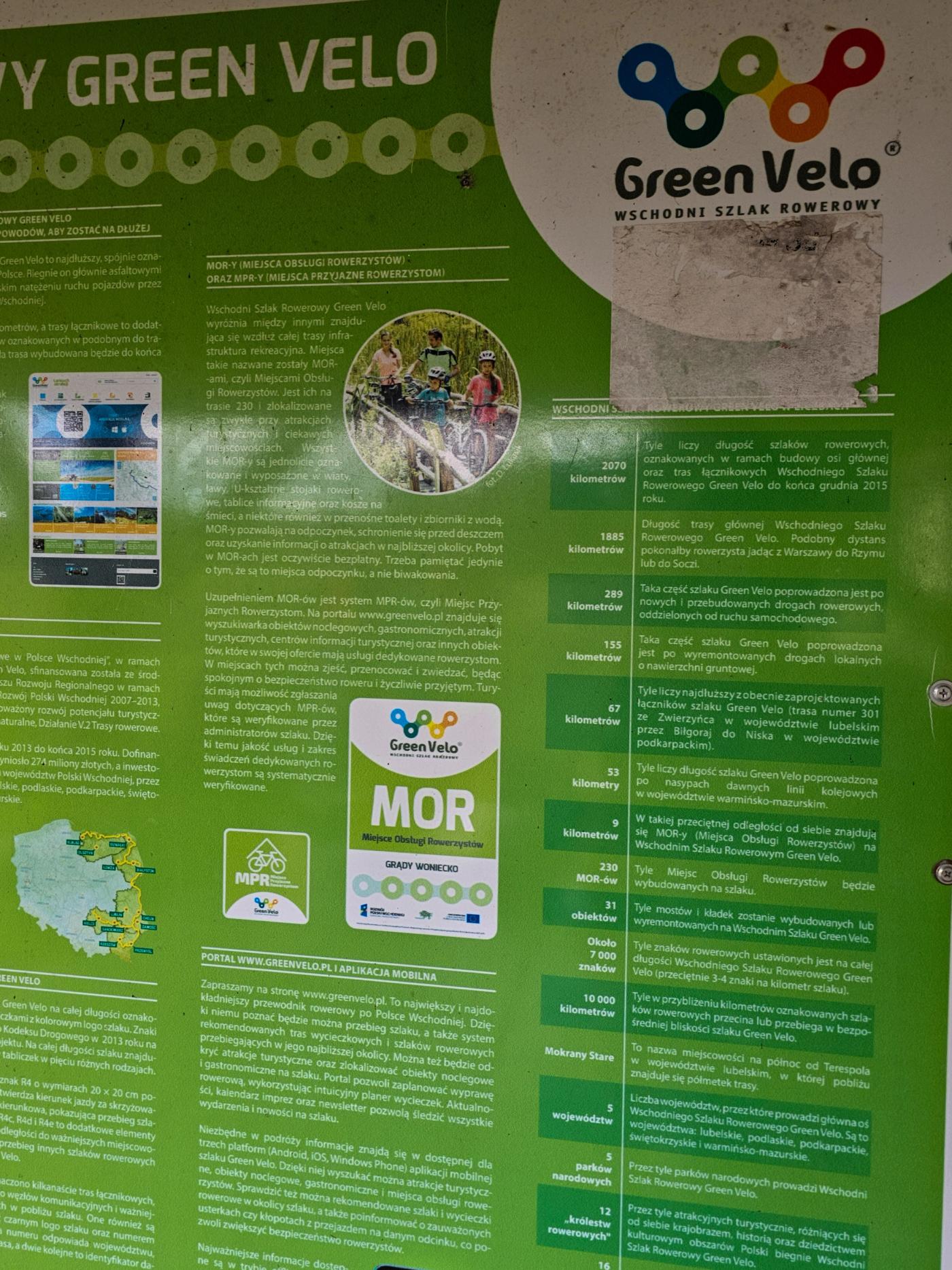
A small town every Pole knows from a famous tongue-twister about a beetle — and it's worth the stop for more than a photo with the beetle statue. This is also where the Green Velo trail runs through, on its way through Szczebrzeszyn and Zwierzyniec — one of the longest and best-known cycling routes in Poland.
Lake Nielisz
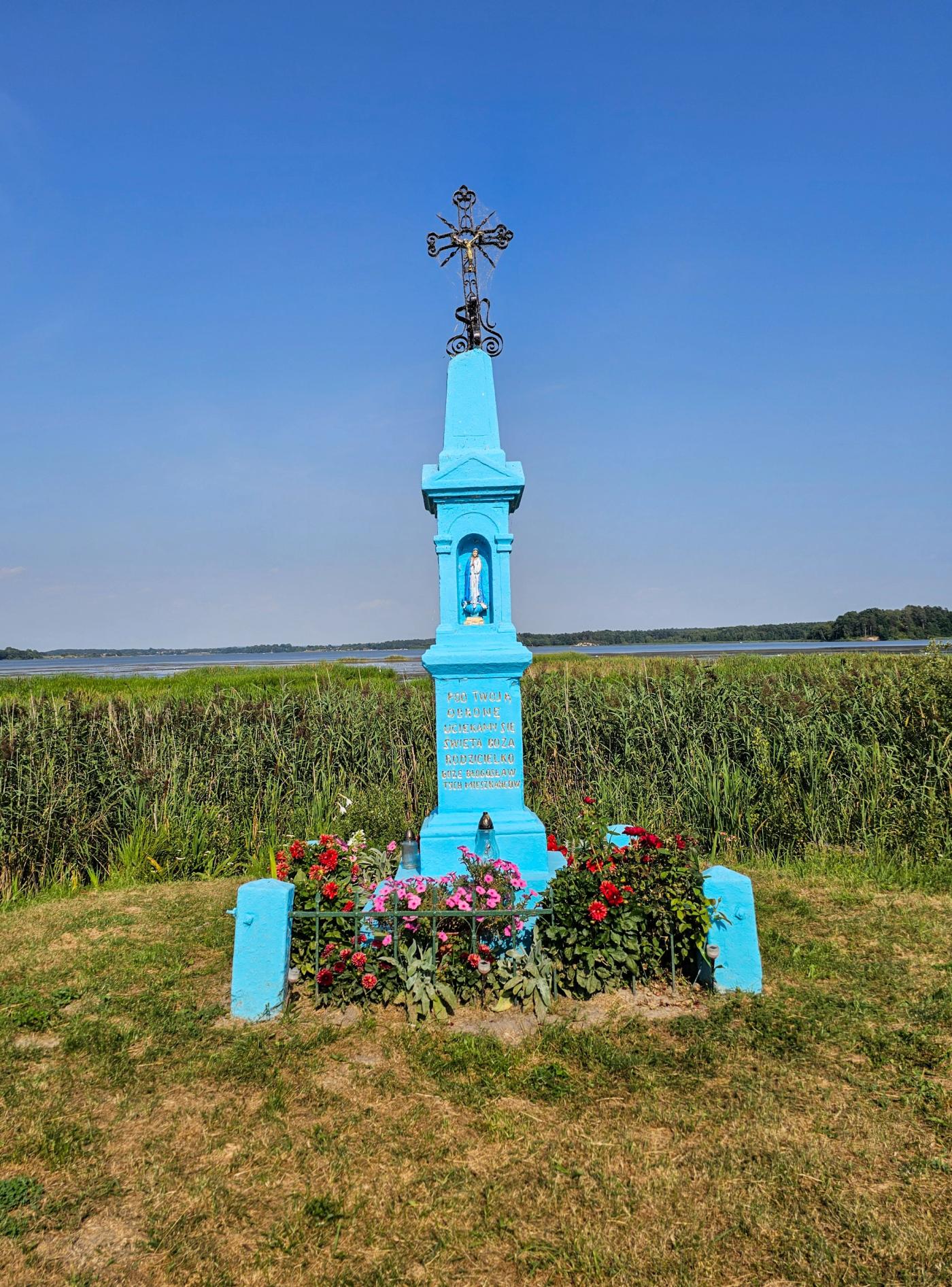
This is probably the large lake name that slipped my mind — Lake Nielisz, a dozen or so kilometres north of Szczebrzeszyn. It's the largest body of water in the Lublin region, covering 950 hectares, built on the Wieprz and Por rivers. I rode all the way around it — it has its own beach (Moczydło), a pier and a marina, and the surrounding area is dense with agritourism farms, so finding somewhere to stay along the way isn't a problem.
Zamość
From there it's not far to Zamość — a Renaissance old town on the UNESCO World Heritage list, known as the "Pearl of the Renaissance." The biggest surprise for me was discovering that there are vineyards in the area — and not just one or two. Thanks to its loess soils and one of the highest counts of sunny days in Poland, Roztocze is sometimes called "Poland's Tuscany," and there's even a Roztocze Wine Trail connecting more than a dozen local vineyards around Zamość. I didn't expect that from a region known mainly for forests and wild horses.

Wioletta Rodzicz